I am very excited to announce that my new book is available for pre-order, and to let you know about some exclusive bonuses only available to you, and for a limited time.
At work, most of our stress and anxiety does not come from the work itself, but from our mutual misunderstandings with other people. These misunderstandings cause problems, and in turn these problems cause us a lot of pain. Why do we struggle to win people over to our ideas? Why do we feel so defensive all the time? How can we motivate our team to perform better? How can we defend ourselves when a toxic colleague tries to steal credit from us?
Today, I want to share with you some of my most popular content on storytelling, human nature, and creative mastery. These articles have been read and shared by thousands of readers, so there’s bound to be something here that you’ll find helpful.
Everything here is actionable, so you can use your new knowledge right away to help you become smarter, more productive, and more fulfilled in your creative life.
“In my view, writer’s block is mostly a myth. What’s really there is a fear of starting.” — Steve Bivans
Steve Bivans (@stevebivans) is an author who has published books across many different genres, including Anno Draconis and The End of Fear Itself. His great books, boundless positivity and support for new authors in the Twitter writing community have earned Steve a great deal of well-earned respect among authors and creators.
When reviewing a film like Avengers: Endgame, it almost feels like a pointless task. For a regular, run-of-the-mill film I can simply recommend you either see it or don’t see it. But Endgame is so much more than that. It’s a once-in-a-generation phenomenon, regardless of whether people mostly like it or dislike it. People are simply going to see it, period. You don’t need someone like me to tell you my thoughts—much less anything that will spoil your experience going into the cinema.
In January this year, I visited the London Comic-Con. This was a fun weekend of celebrity autographs, chatting to actors from movies I've watched since I was five years old, and spending a little too much on awesome memorabilia. To tell the raw, unvarnished truth the event was a little underwhelming since it actually seemed more like a larger version of the Cons I'd been to in northern England, rather than the professional, slick operations I watch videos of in North America. Lots of independent vendors, not a lot of official presence. Am I being too harsh? I expected more from a Con in our capital city.
But one thing stuck in my memory more than anything else. I got chatting with one of the vendors about the new Star Wars movies that Lucasfilm have released since their Disney takeover in 2012. As I handed over the £10 note for my Rogue One artwork book, I casually mentioned how much I loved the film's look, in contrast to the quality of its story. I don't hate Rogue One at all, it's very fun, but I thought it had a case of the jitters in the first 20 minutes or so, abruptly jumping from location to another just to keep the plot moving. The vendor agreed, and - I knew it was coming - couldn't help but express his hatred of Star Wars: The Last Jedi.
I have a mild form of Tourette’s Syndrome. When I’m anxious, stressed, or generally in a less controlled state, I often twitch. My eyes, face, and throat all seize up, making it impossible to really behave properly. If you’ve watched one of my lectures or YouTube videos, this news might come as a surprise, but I’ve become pretty good at controlling these urges, out of a desire to not let such a disorder bully me into constantly keeping my eyes closed. Though I can’t say the same if you get a couple of pints in me!
When I began working on my book about storytelling, my goal was to identify how some stories were able to make me feel good, and why others fell completely flat instead.
This led to some truly fascinating insights from storytellers like Stephen King, Fyodor Dostoyevsky, and many others. But I didn’t guess how much I would end up learning about psychology.
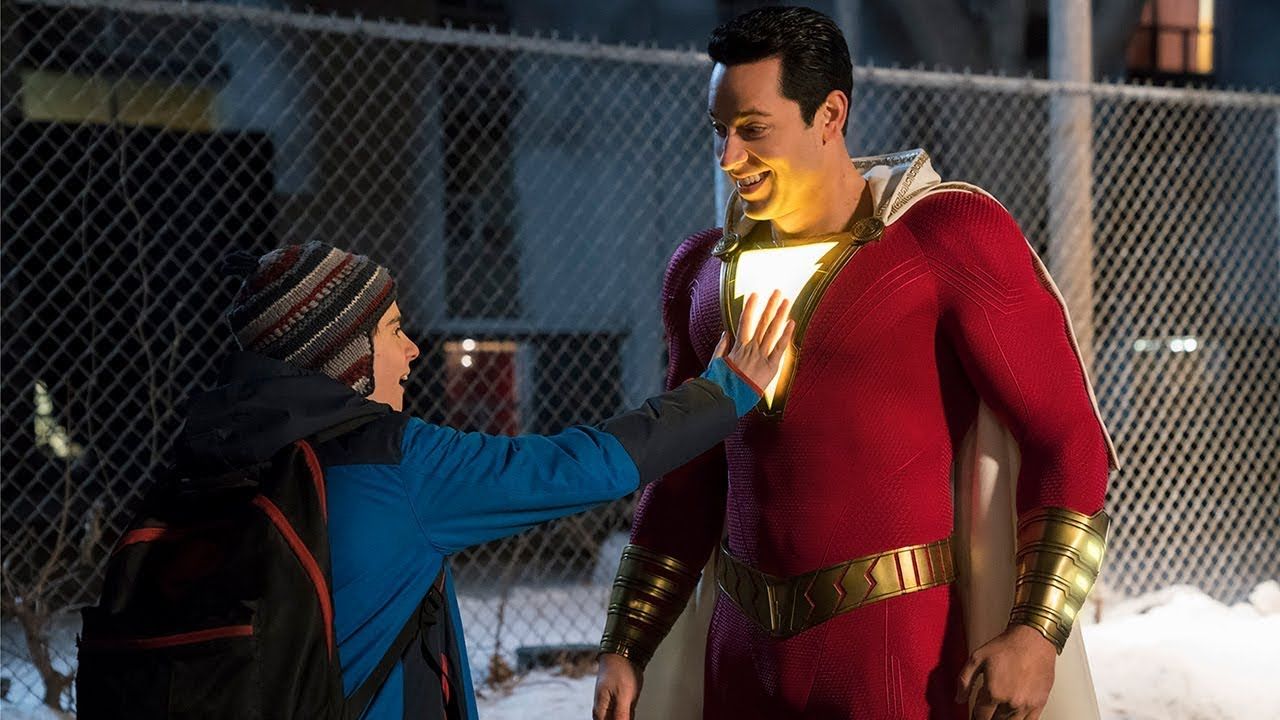
After Shazam! finished on Wednesday night, I looked left and right at the cinema-goers around me. Not a single person had stood up to leave the theatre.
I smiled to myself. We had all just watched a fun, action-filled, and emotionally-resonant film, and I inwardly beamed at how successfully we had all been conditioned by Marvel to expect a credits scene or two.
Last week I finished reading a book called Creativity, Inc. by Ed Catmull, the former president of Pixar. This book had a big impact on me for a number of reasons, and I’d like to explore these in this post.
It’s unlikely you’re not already aware of Pixar’s films: Toy Story, A Bug’s Life, Cars, the list goes on, and all of them have garnered numerous awards. Pixar have always been a creative powerhouse.
But what is their secret? How do they continue to churn out such high-quality films so consistently?
I think I have a good idea of the answer, but it’s nothing as simple as a single management hack or storytelling tip. It’s a combination of factors, but each one is perfectly attainable for any creative person or leader.
So I thought it would be fun to go through some of my favourite movies and explain why I like them so much from a storytelling perspective.
My goal is to extract key writing lessons from these movies which you can take away and use in your own projects. Plus I just generally find it fun to discuss movies and what makes them great!